UniverseTrips.com Destinations / Italy
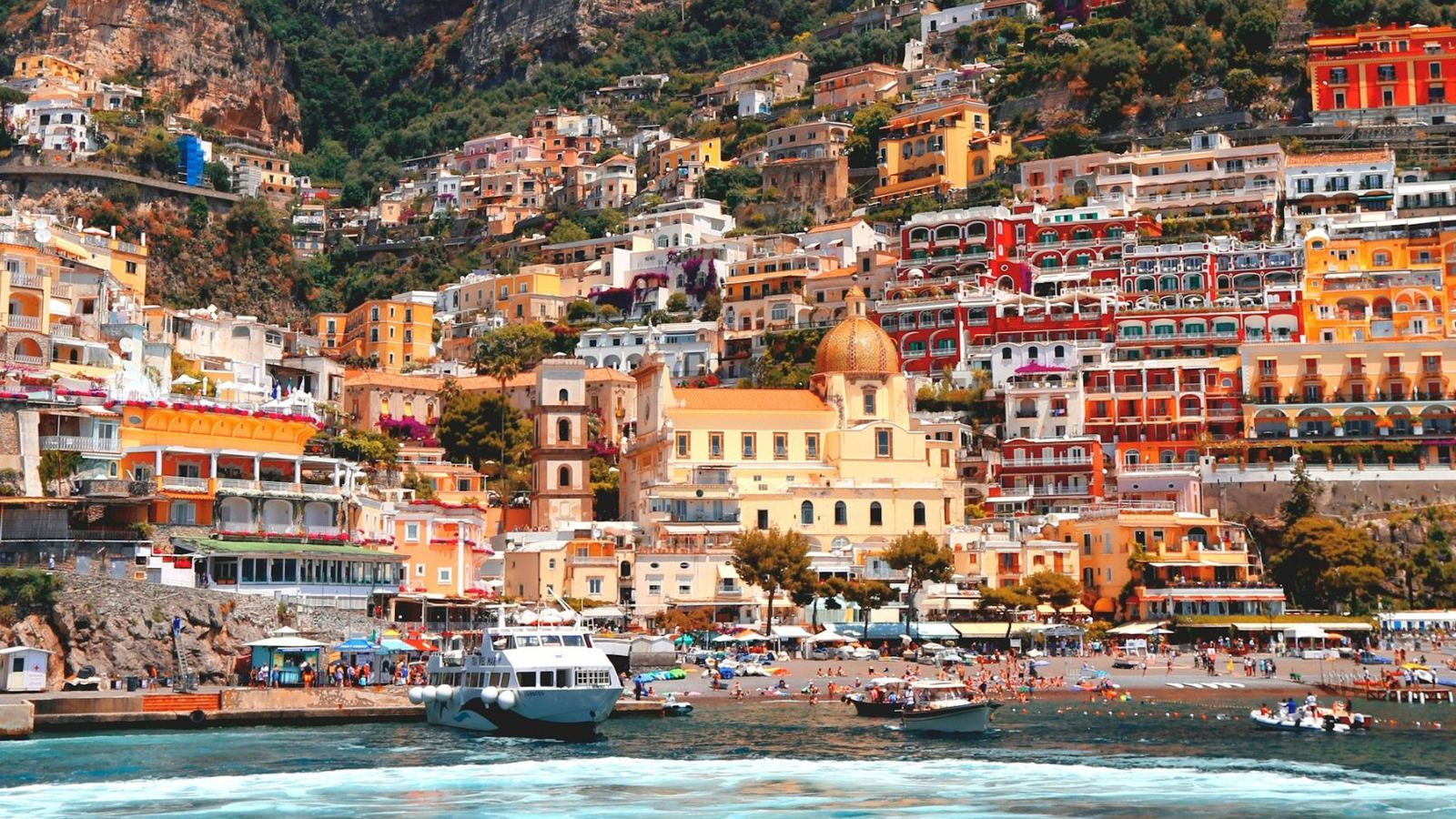
Colourful houses on the steep cliffside of Positano above the sea, on the Amalfi Coast, Italy
Italy — Country guide

Travelling in Italy

Rome, Florence and Venice, the Amalfi Coast, the Dolomites and the lakes. Fast trains link the main cities in a few hours.

Italy had about 58 million international visitors in 2024, the fifth most of any country. A first trip usually covers Rome, Florence and Venice by train, with the coast or the mountains added on. Some of the busiest sights now charge for access, including Venice on peak days and the Trevi Fountain, so it is worth booking ahead.

The essentials, updated for 2026

Entering Italy
Schengen rulesItaly is in the Schengen Area. Europe's Entry/Exit System, which records fingerprints and a photo of non-EU visitors at the border, has been fully operational since 10 April 2026.
ETIAS travel authorisation
No start date yetVisa-exempt visitors will eventually need an online ETIAS authorisation, but the EU has dropped its late-2026 target and will announce a date months ahead. No applications are being taken yet.
Venice access fee, day visitors
€5 to €10Charged on 60 busy days between April and July 2026, from 8.30am to 4pm: €5 if booked at least four days ahead, €10 after that. Overnight guests are exempt but must register. Check the official site for next year's dates.
Trevi Fountain, Rome
€2Since 2 February 2026 to go down to the basin, from 9am to 10pm. Rome residents and children under 5 are free. Only cards are accepted at the entrance.
Colosseum tickets
Named, timed entryTickets carry your name and an entry time, and you must show ID. They go on sale 30 days ahead. Entry is free on the first Sunday of each month.
Money and plugs
Euro (€), Type C/F/LCards are widely accepted. Italy uses round two-pin plugs and its own three-pin Type L, so bring a universal adapter.
Sources: UN Tourism arrivals via Falstaff, ETIAS status (July 2026), Venice access fee 2026 (The Local), Turismo Roma and the official Colosseum site, checked 12 October 2026. Confirm before you pay.

Where to go

Art and hill towns

Florence and Tuscany

The Uffizi, the cathedral dome and Michelangelo's David in Florence, then Siena, San Gimignano and the vineyards of Chianti in the countryside around it.

About 1.5 hours from Rome by fast train

Canals

Venice

St Mark's Square and Basilica, the Grand Canal by vaporetto water bus, and the islands of Murano and Burano. Staying overnight avoids the day-visitor fee and the busiest hours.

Day visitors pay on peak days

Cliffs and coast

The Amalfi Coast and Naples

Positano, Amalfi and Ravello on the cliffs, boats to Capri, and the Roman ruins of Pompeii near Naples, with Mount Vesuvius behind.

Ferries are often easier than the narrow coast road

Mountains

The Dolomites

Jagged limestone peaks in the north-east, with mountain huts, cable cars and some of Europe's best hiking in summer, and skiing in winter.

Hiking season is roughly June to September

Lakes

Lake Como and Milan

Villas and gardens around Lake Como, linked by ferries, an hour from Milan, where you can see the cathedral and Leonardo's Last Supper (book well ahead).

Milan has the main airports for the north

Official Italy tourism site ↗ Official Colosseum tickets ↗

When to go

Spring and autumn are the best times for the cities; summer suits the coast and the mountains.

Spring and autumn

  • April to June and September to October bring warm weather and slightly smaller crowds in Rome, Florence and Venice.
  • Easter is very busy in Rome; book rooms early.
  • Autumn is harvest time in Tuscany's vineyards.

Summer and winter

  • July and August are hot and crowded in the cities, but the best months for the Amalfi Coast and hiking in the Dolomites.
  • Many Italians take their holidays in mid-August, when some city shops and restaurants close.
  • Winter is quieter and cheaper in the cities, and ski season in the Dolomites.

What to pack

Pack for long days on foot, church dress codes and the summer heat.

A universal plug adapter

Italy uses both round two-pin plugs and its own three-pin Type L.

Search options

Comfortable walking shoes

Cobbled streets, hills and long museum days.

Search options

A light scarf

Churches, including St Peter's, ask visitors to cover shoulders and knees.

Search options

An anti-theft bag

Pickpockets work crowded sights and public transport in the big cities.

Search options

Sun protection

Summer in Rome and on the coast is hot and bright.

Search options

A reusable water bottle

Rome's street fountains give free drinking water.

Search options

A compact power bank

Timed tickets and train passes live on your phone.

Search options

Hiking shoes

If you plan to walk in the Dolomites.

Search options

As an Amazon Associate, UniverseTrips.com earns from qualifying purchases.

Book this trip

Links to trusted booking partners

Exploring more of Europe?

Read our France and Switzerland guides, or browse destinations from the Colosseum to the Dolomites.

All destinations