 Destinations / Italy / Dolomites
Destinations / Italy / Dolomites
Destinations / Italy / Dolomites
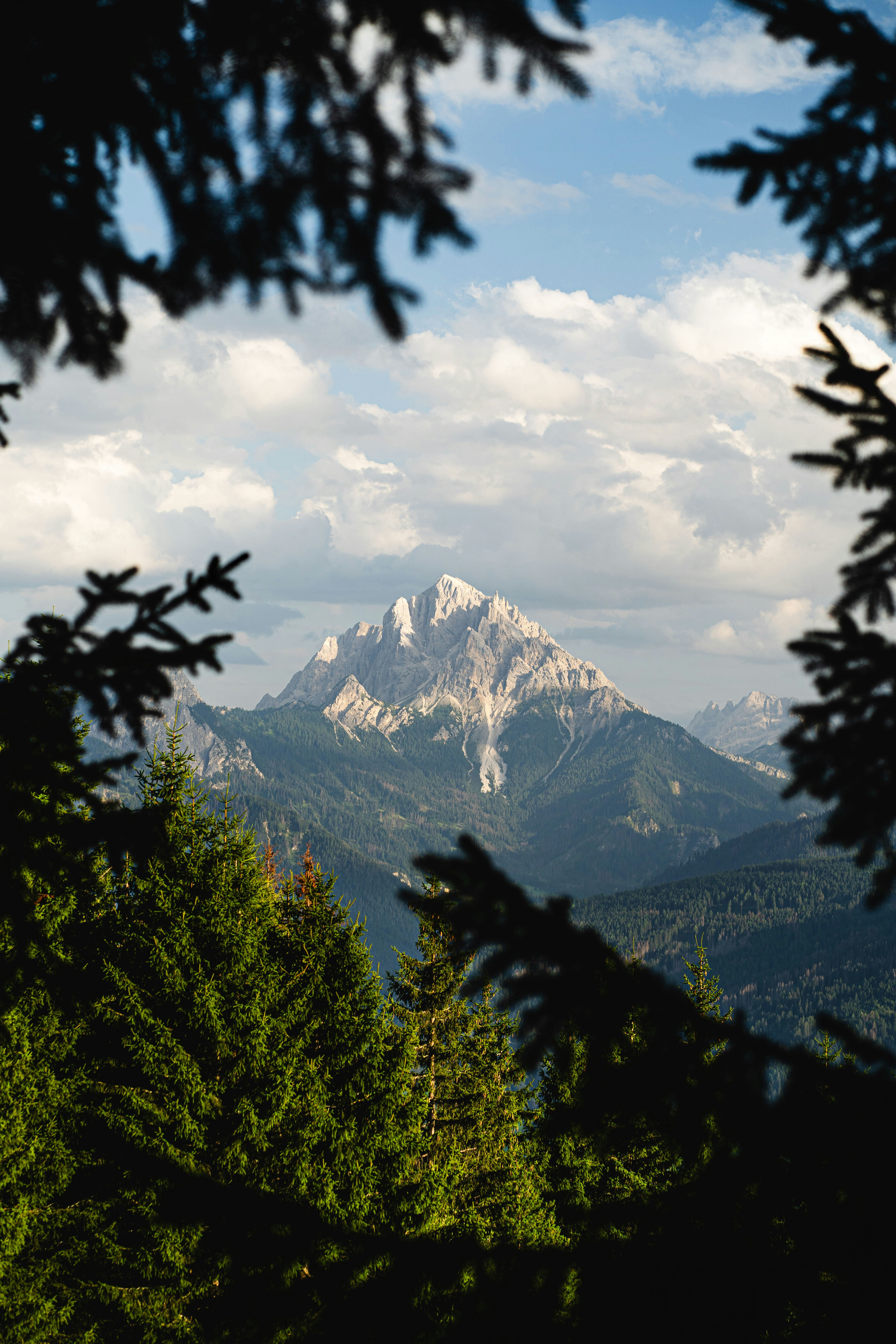
Europe's largest high-alpine meadow unrolls beneath a wall of pale rock spires — pine-fringed pasture at 2,000 metres, with jagged Dolomite peaks standing over it like an audience.
The Dolomites don't rise so much as stand — bare stone walls rather than sloped summits, dropped straight onto rolling green pasture with almost no foothills in between.
New crowd controls at the most popular spots
With the Dolomites hosting events for the Milan-Cortina 2026 Winter Olympics, several hotspots have introduced new limits — Madonna di Campiglio has capped daily ski passes at 15,000 (down from 23,000), and popular viewpoints like Lake Sorapis and Val di Funes now have parking caps and access controls after days seeing 8,000+ visitors.
These peaks are fossil coral, pushed skyward by continental collision — pale dolomite limestone that still shows its reef-like layering in the cliff bands, faintly pink at sunrise and sunset.
Alpe di Siusi is still working pasture — cattle move up in early summer and down before the first snow, a rhythm called transumanza that keeps the meadow open instead of reclaimed by forest.
Video via YouTube — IDM Südtirol - Alto Adige, South Tyrol's official tourism channel
The jagged massif that dominates the Alpe di Siusi skyline — "long stone," visible from nearly every meadow trail.
The flat-topped sentinel above Siusi village, said in local legend to be a table for giants.
Three sheer towers further east — the single most-photographed formation in the whole range.
Three ways to get up into the meadow and past the cable-car crowds.
A cable car from Ortisei lifts you straight onto the meadow in under 20 minutes — the fastest route to the classic view.
A gentle 2-hour trail across open pasture, ending at a rifugio with the Sassolungo massif filling the whole horizon.
Stay overnight at a mountain hut and catch the peaks turning pink before the first lift of the day arrives.
The limestone terrain here is rocky, not soft trail — real ankle support matters on the walking routes.
Search options →At 1,800–2,300m, alpine weather shifts fast even within the June–September window — layers you can add or shed matter more than one heavy coat.
Search options →Worth having even in summer — mornings at altitude, especially if you're staying overnight for sunrise, run genuinely cold.
Search options →Useful on the rockier descents, particularly if you're walking down rather than taking the Seiser Alm Bahn back.
Search options →UV intensity increases with altitude — easy to underestimate on an overcast alpine day.
Search options →The cable car makes this a day-trip destination for most visitors — no need for multi-day trekking gear.
Search options →As an Amazon Associate, UniverseTrips.com earns from qualifying purchases.
Val Gardena's wood carving tradition is centuries old, born from long winter evenings when carving was a family pastime.
Where to find it — Ortisei — the same town named as your nearest base — still has real carving workshops today
South Tyrol's protected regional cured ham (PGI status) — a genuine local specialty, not a generic Italian import.
Where to find it — Delis and shops throughout Ortisei and Castelrotto
Alpe di Siusi is still working pasture — the cheese produced locally reflects that real, ongoing practice.
Where to find it — Farm shops directly on the Alpe di Siusi meadow, and in Ortisei
Traditional Alpine wool outerwear, a genuine regional craft with real cold-weather practicality.
Where to find it — Traditional clothing shops in Ortisei
We're building out full meadow-walk itineraries, rifugio stays, and peak-view lodging for this stretch of the Alps.
Back to top attractions