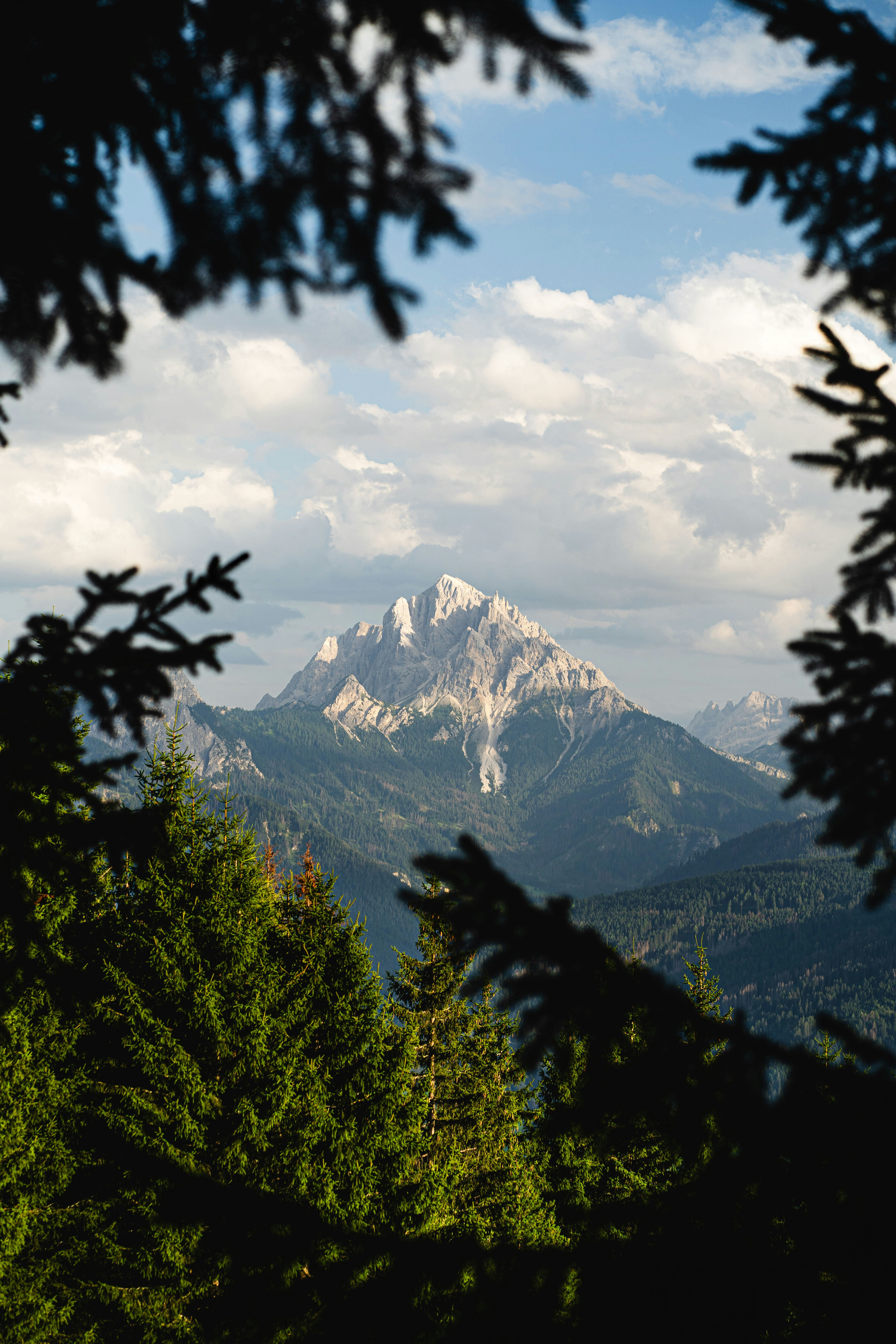
Via ferrata routes trace mountainsides across the Dolomites — most were built by Italian and Austro-Hungarian troops during WWI, and are now among the most popular ways to climb here.
Roughly 100 via ferrata routes were built during the First World War to move soldiers, weapons, and supplies along an alpine front line that ran across peaks and ridges at 2,500-3,000 metres.
Video via YouTube — “Inside Italy's World War I Trenches” documentary
These routes carry real military history alongside the climbing itself.
Italian and Austro-Hungarian troops each built via ferrata to move men and supplies along the WWI alpine front line.
Via ferrata means “iron path” — fixed cables, ladders, and rungs let hikers use a harness and clips rather than technical rock climbing skills.
Many routes pass directly through preserved WWI trenches, tunnels, and gun emplacements, still visible after a century.
Italy enters WWI against Austria-Hungary, opening a front that runs directly through the Dolomites' highest terrain.
Both armies construct fixed cable routes to move troops and supplies across otherwise impassable rock faces.
The Italian Alpine Club begins restoring old military routes specifically to attract hikers and climbers.
Via ferrata routes are now one of the primary reasons visitors come to the Dolomites, blending sport with preserved history.
A harness, via ferrata lanyard, and helmet are essential — most refugios rent gear if you didn't bring your own.
Back to The Dolomites