Bali Highlands — Guide
Subak, water shared by consensus
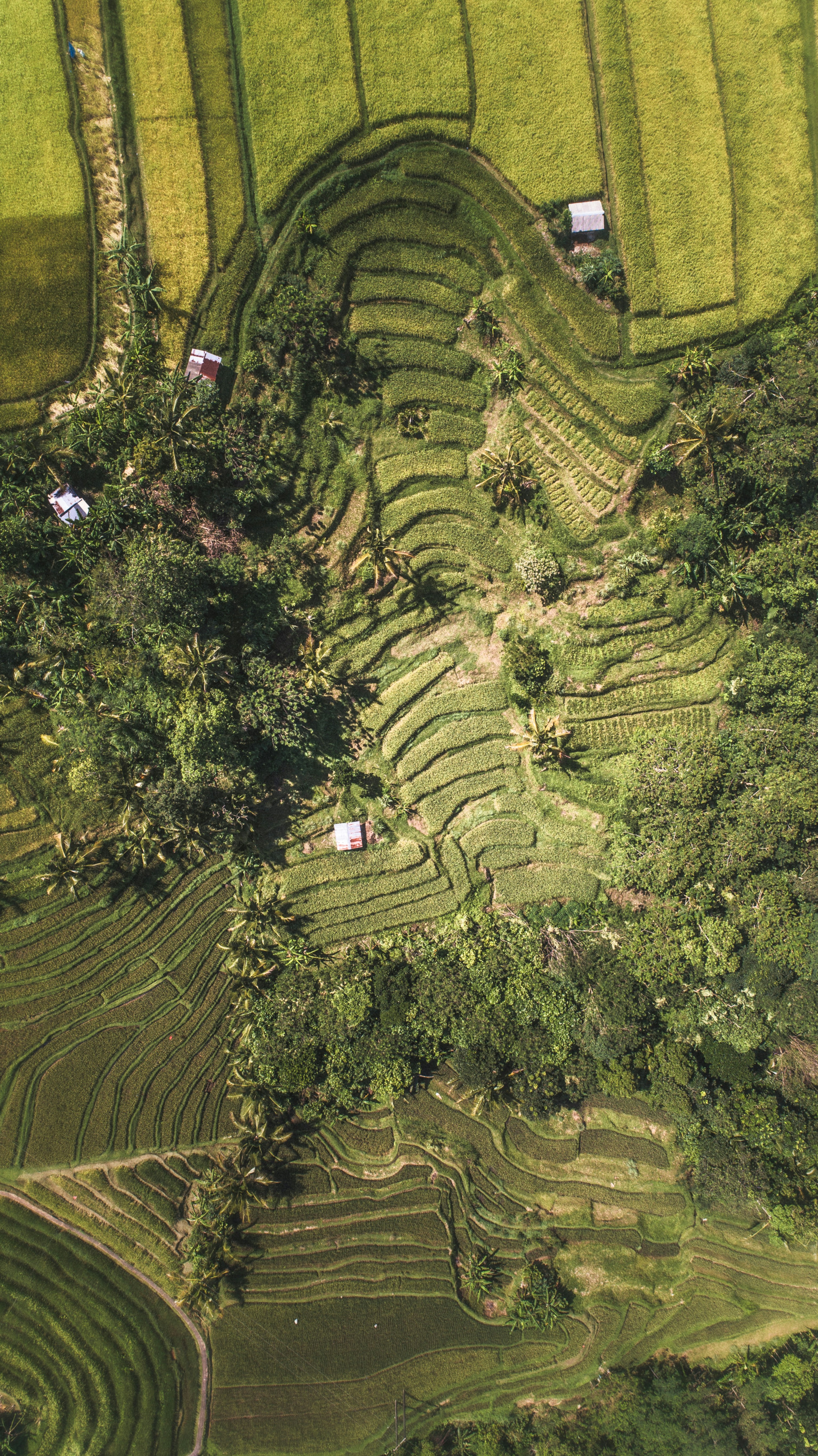
Every terrace on the hillside gets its water not from a central authority, but from a thousand-year-old cooperative system where farmers decide together who gets water, and when.
Every terrace on the hillside gets its water not from a central authority, but from a thousand-year-old cooperative system where farmers decide together who gets water, and when.
Subak is a democratic irrigation system dating to the 9th century, recognized by UNESCO as a living cultural landscape — farmers self-organize into water user associations that share every drop fairly across the whole hillside.
Video via YouTube — documentary on the Balinese subak system
Most irrigation systems are engineered top-down. Subak is organized bottom-up, around both water logistics and religious practice.
Water temples coordinate planting and irrigation timing across farmer groups, blending Hindu ritual with practical water-sharing logistics.
Each subak is a self-governing association of farmers sharing a single water source, deciding collectively on schedules and disputes.
Water flows entirely by gravity from crater lakes down through tunnels, canals, and terraces — no mechanical pumping involved.
Inscriptions referencing subak-like water-sharing practices date back over a thousand years on the island.
Subak landscapes were inscribed as a UNESCO World Heritage cultural landscape, protecting both terraces and practice.
Subak reflects a Balinese principle of harmony between people, nature, and the spiritual world — not just an engineering solution.
Subak associations still actively manage real rice cultivation today, not preserved purely for tourism.
Tegallalang and Jatiluwih both offer accessible, well-maintained views of active subak terraces.
Back to Bali Highlands