 Destinations / Indonesia / Bali / Ubud
Destinations / Indonesia / Bali / Ubud
Destinations / Indonesia / Bali / Ubud
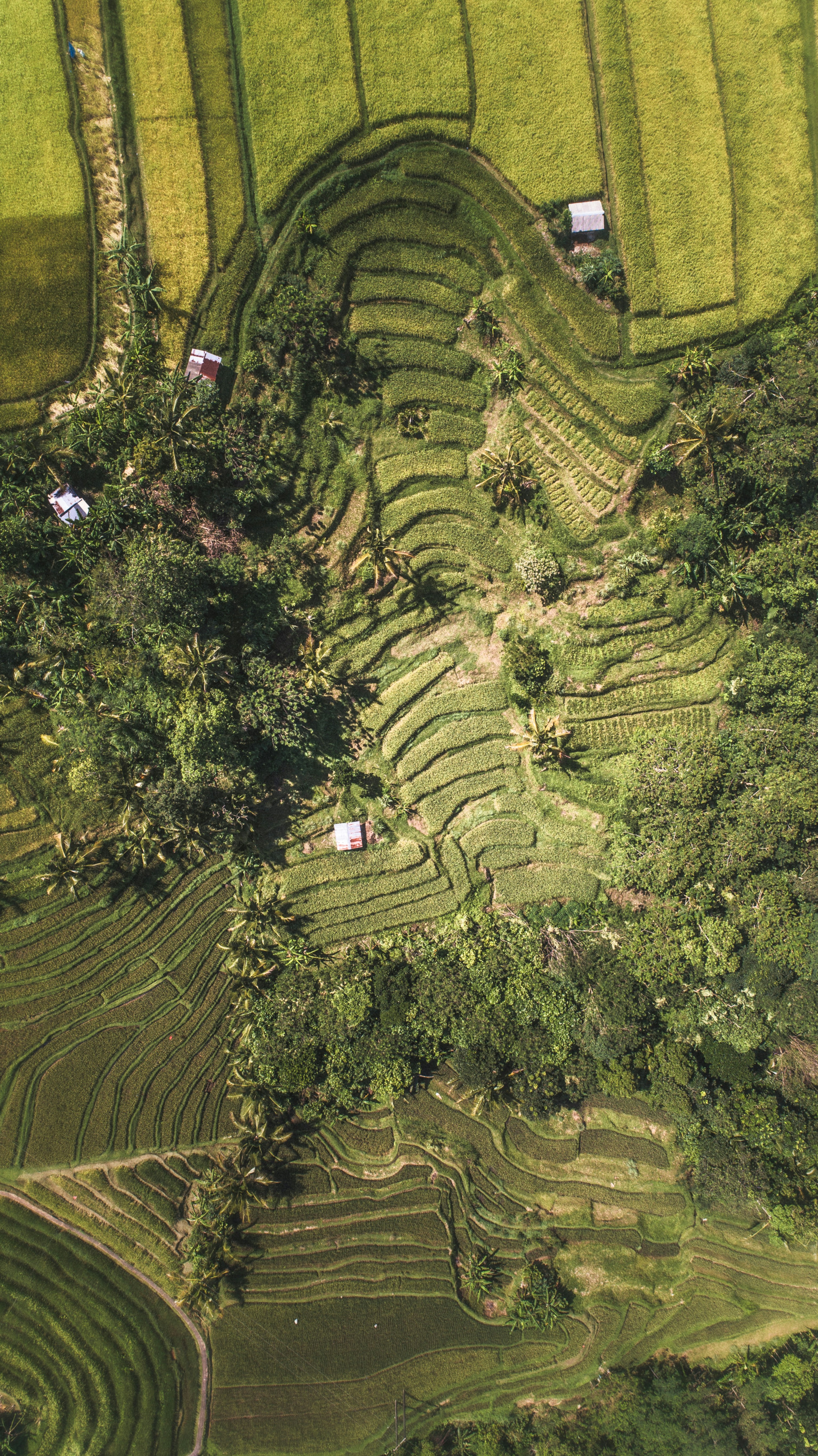
Above Ubud, centuries of hand-cut rice terraces curl around the hillsides like contour lines — each ring a working record of where water was told to go, field by field, for a thousand years.
Seen from above, the paddies don't look farmed so much as drawn — each terrace a pencil-line of water holding the next one up, the whole hillside behaving like a single shared machine for catching rain.
Bali's tourist levy enforcement has tightened
Bali's IDR 150,000 (~$10) foreign tourist levy has been mandatory since 2024, but as of 2026 enforcement is much stricter — airlines now display it during booking and hotels can collect it directly. Pay ahead via the official Love Bali app or website to skip the airport queue.
No single farmer decides where the water goes. Every terrace answers to the one above it and feeds the one below — a gravity-fed relay that has to be agreed on collectively, or it doesn't work at all.

Along the field paths, the work is still done at walking pace. Fresh-cut grass for livestock, gathered in woven baskets and balanced on a single bamboo pole — the same method used here for generations, unhurried by the resorts rising just behind the tree line.
Video via YouTube — Wonderful Indonesia, the official Indonesian tourism channel
Small shrines mark the water temples that still coordinate irrigation timing across whole valleys.
Subak cooperatives decide planting schedules together, so no single field starves another downstream.
Rotating rice with other crops keeps the same soil productive season after season, without resting it.
Three ways to get past the postcard view and into the terraces on foot.
The most-photographed terraces, 20 minutes north of Ubud — arrive by 7am to walk them before the tour buses do.
Wider, quieter, and the terraces this whole page is really about — the full subak system, still working, an hour further out.
A flat, shaded ridge trail right from central Ubud — grass terraces and river valleys, no transport required.
Field paths along the terraces are narrow, often barefoot-worn, and can turn slick after rain.
Search options →Elevation here is only 600–700m — this is tropical humidity, not alpine cool, even in the April–October dry season.
Search options →Tropical showers can start suddenly even in the drier months — worth having something packable on hand.
Search options →The open terraces offer little shade — direct tropical sun for most of a walking day.
Search options →Agricultural, water-fed terrain — worth having on hand for early morning or dusk walks.
Search options →Useful if your route takes you past any of the water temples that coordinate irrigation timing across the valleys.
Search options →As an Amazon Associate, UniverseTrips.com earns from qualifying purchases.
A genuine generations-old wood carving tradition — an actual working craft center, not a tourist recreation.
Where to find it — Mas village, a short drive from Ubud
Centuries-old silversmithing tradition, rooted in Hindu-Buddhist influence that arrived from Java.
Where to find it — Celuk village, about 20 minutes from Ubud — workshops let you watch the process and buy direct
Traditional Indonesian textile art — look for genuine hand-dyed pieces over printed imitations.
Where to find it — Widely available across Ubud; ask specifically for hand-dyed batik
The small woven and palm-leaf offerings (canang sari) seen throughout Bali reflect real daily ritual practice.
Where to find it — Markets throughout Ubud
We're building out full terrace-walk itineraries, homestay picks, and rice-field-view stays for this stretch of the highlands.
Back to top attractions