 Destinations / Kenya / Maasai Mara
Destinations / Kenya / Maasai Mara
Destinations / Kenya / Maasai Mara
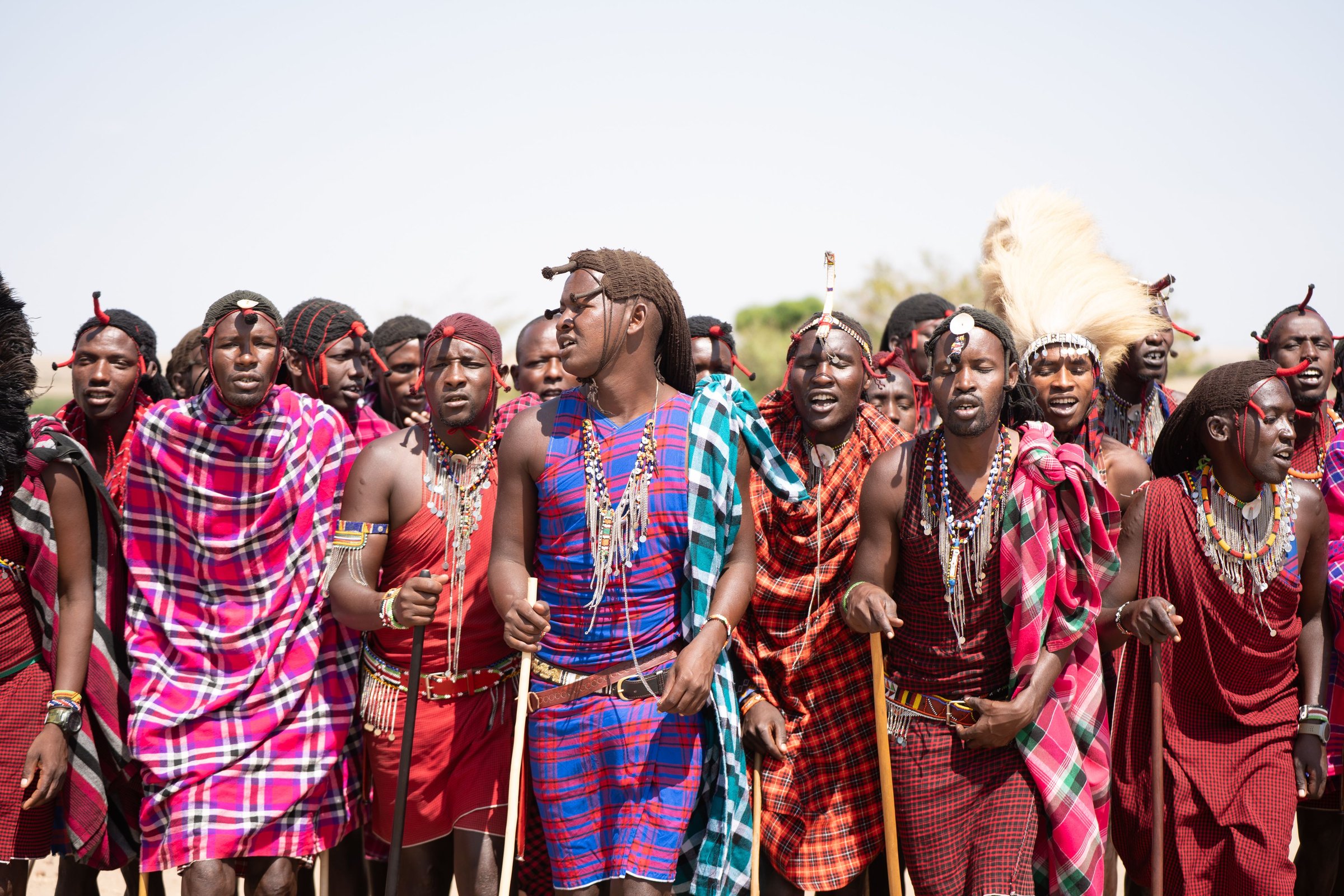
The Maasai Mara isn't wilderness set apart from people — Maasai communities have lived alongside its wildlife for centuries, and community conservancies now shape how much of the reserve is managed today.
The Maasai Mara takes its name from the Maasai people who have inhabited this land for centuries — the reserve's wildlife and its human communities share the same ecosystem, not two separate stories.
Peak river crossings are underway
2026 forecasts point to the most dramatic Mara River crossings falling between August 10 and September 20 — meaning late August, right now, is one of the strongest windows of the year to witness one.
Beyond the main reserve, a network of community-owned conservancies, leased from Maasai landowners, now covers a substantial area — a model that shares tourism revenue directly with local communities.
Maasai communities maintain traditional dress, cattle-herding livelihoods, and ceremonies actively today — cultural visits arranged respectfully through community-run programs offer a genuine, not staged, encounter.
Video via YouTube — Magical Kenya, Kenya's official tourism channel
Look specifically for cultural visits and lodges that directly involve and compensate Maasai communities, rather than generic add-ons.
The Mara is the Kenyan side of the same ecosystem as Tanzania's Serengeti — the same migrating herds cross between both.
Always ask permission before photographing individuals, and expect that some community visits involve a fee that supports the host community directly.
Three ways to plan a visit that includes both wildlife and community.
Booking a conservancy lodge directs tourism revenue toward the Maasai landowners who lease that land for conservation.
Seek out visits explicitly run by or in partnership with local Maasai communities, rather than informal roadside stops.
Most visitors fly from Nairobi to a small airstrip near the reserve, a journey of roughly 45 minutes to an hour.
Muted colors are standard safari practice — they draw less attention from wildlife than bright colors or stark white.
Search options →Game drive vehicles are open-sided, with direct sun for hours at a time.
Search options →The reserve spans roughly 1,510 km² — distance viewing is the norm, not the exception.
Search options →Standard precaution for savanna and riverine areas within the reserve.
Search options →Early morning game drives, timed for peak wildlife activity, start well before the day warms up.
Search options →As an Amazon Associate, UniverseTrips.com earns from qualifying purchases.
Genuine, iconic Maasai craft.
Where to find it — Community-run programs near the reserve — buying direct puts money into the communities sharing this land with the wildlife
The traditional red-checked cloth worn across Maasai communities.
Where to find it — Community markets near the reserve
Kenya is a genuinely well-regarded coffee origin.
Where to find it — Nairobi shops, or cooperatives closer to the reserve if available
We're building out full conservancy comparisons and community-visit guides for the region.
Back to top attractions