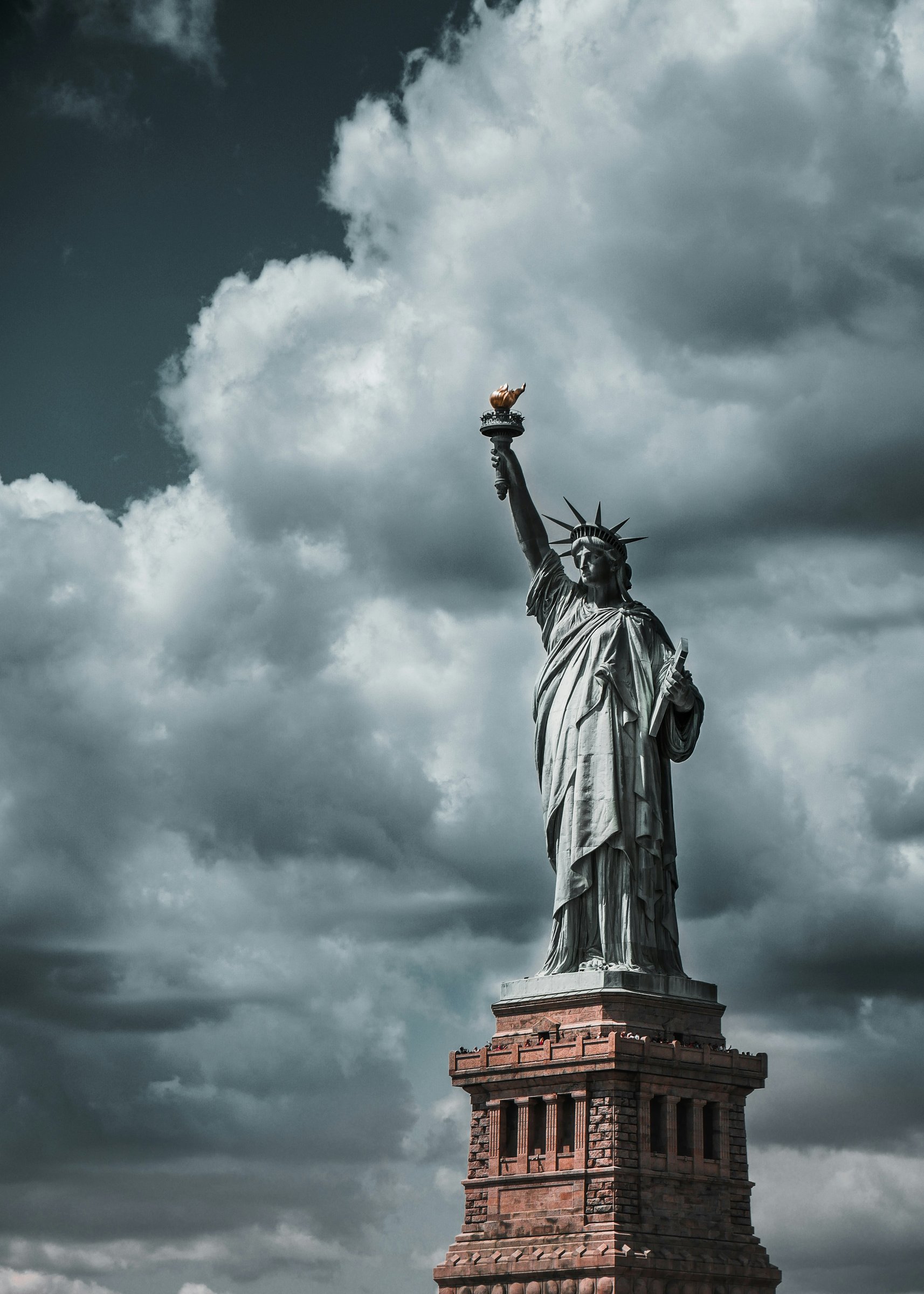
Ellis Island sits a short ferry ride from Liberty Island — the same ticket gets you both. From 1892 to 1954, it was the first stop in America for over 12 million immigrants.
Before Ellis Island opened, immigration processing happened at Castle Garden in lower Manhattan — the new, larger federal station was built specifically to handle the flood of arrivals at the turn of the century.
A $100M "Reimagined" renovation, in phases
The museum is mid-renovation now, expanding its searchable arrival-records database from 65 million to roughly 154 million documents and rebuilding exhibits across three floors covering the pre-Ellis, Ellis, and post-Ellis eras. Work is being done in phases specifically so the museum stays open throughout — no need to time a visit around it.
Video via YouTube — “Island of Hope, Island of Tears” (National Park Service)
The popular image of Ellis Island is often harsher than the historical record.
Roughly 40% of Americans today can trace at least one ancestor back through Ellis Island's processing halls.
Despite its reputation, most arrivals passed through medical and legal inspection in a matter of hours.
Only a small fraction of arrivals were ultimately denied entry, usually for health reasons — the island's harsher nickname outpaced the actual statistics.
Ellis Island opens as the first federal immigration station, replacing New York State's Castle Garden.
A fire destroys the original wooden structure; a new fireproof brick building reopens in 1900.
Over 1.2 million immigrants pass through in a single year, the station's busiest on record.
Ellis Island closes as a processing station; it reopens decades later as a museum.
The same ferry ticket covers both islands — most visitors budget a half-day for the pair.
Back to Statue of Liberty