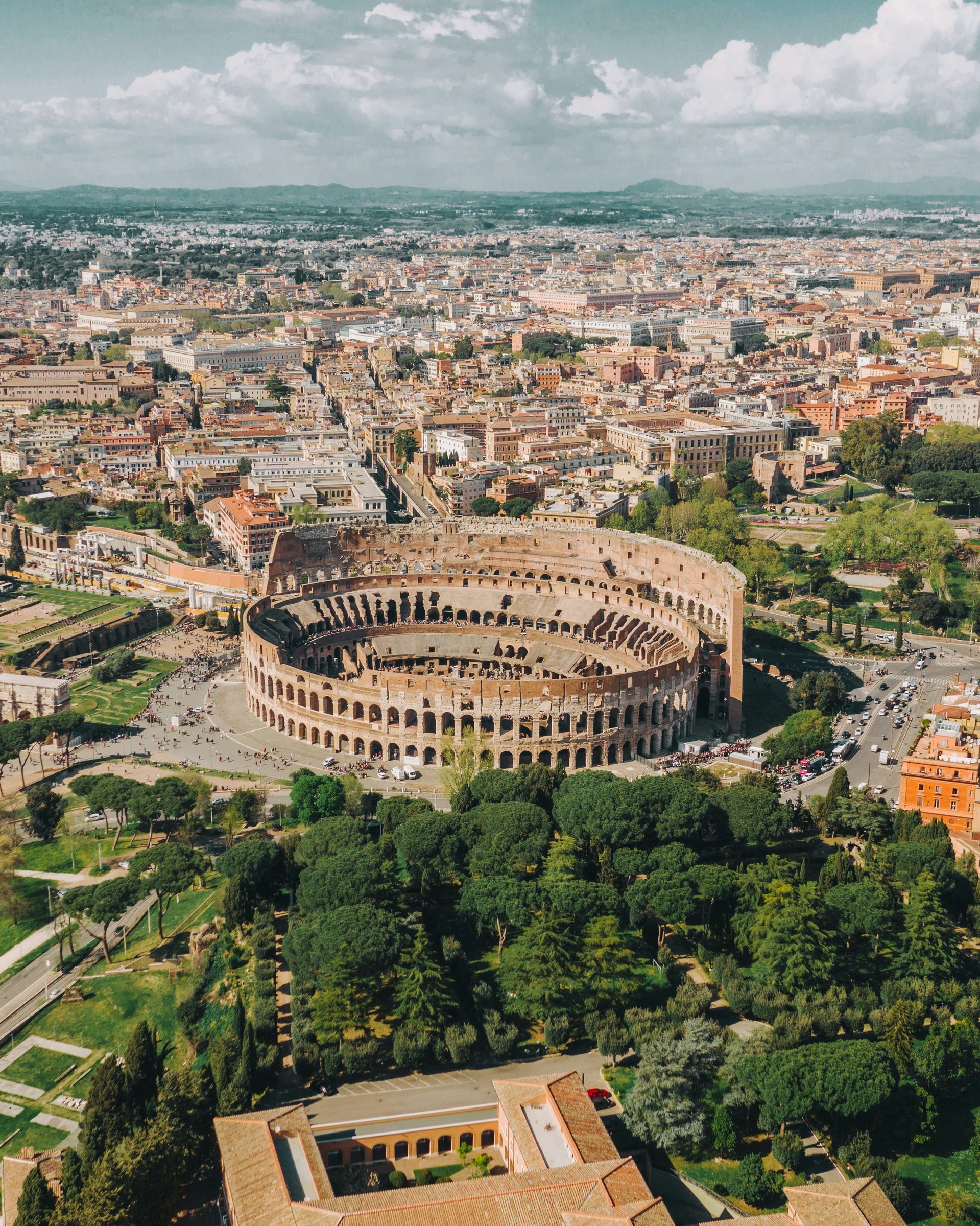
The Colosseum's wooden arena floor is long gone — what's visible today is the hypogeum, a two-level maze of tunnels, cages, and lifts that once launched gladiators and animals directly into the fight.
The word hypogeum literally means "underground" — a name that undersells what was actually a working theatrical machine, engineered to make gladiators and animals appear to rise from nowhere in front of a live crowd.
Video via YouTube — documentary on the Colosseum's underground hypogeum
Every element below the arena floor served a specific purpose in staging the day's events.
Wooden lifts and pulley systems hauled caged animals up through trapdoors, releasing them directly into the arena without warning.
Gladiators waited in underground chambers before being routed up through specific passages timed to the day's program.
Of the tunnels leading into the Colosseum, most moved gladiators, animals, and equipment — one was reserved specifically for imperial access.
The underground network was constructed or significantly expanded early in the Colosseum's active life.
The hypogeum ran across two underground levels, connecting holding areas to specific arena trapdoors.
The original sand-covered wooden arena floor no longer exists, exposing the hypogeum to modern visitors.
Specific ticket tiers now grant guided access down into the hypogeum itself, not just the arena-level view.
Underground access requires a specific guided-tour ticket tier, not standard general admission.
Back to The Colosseum