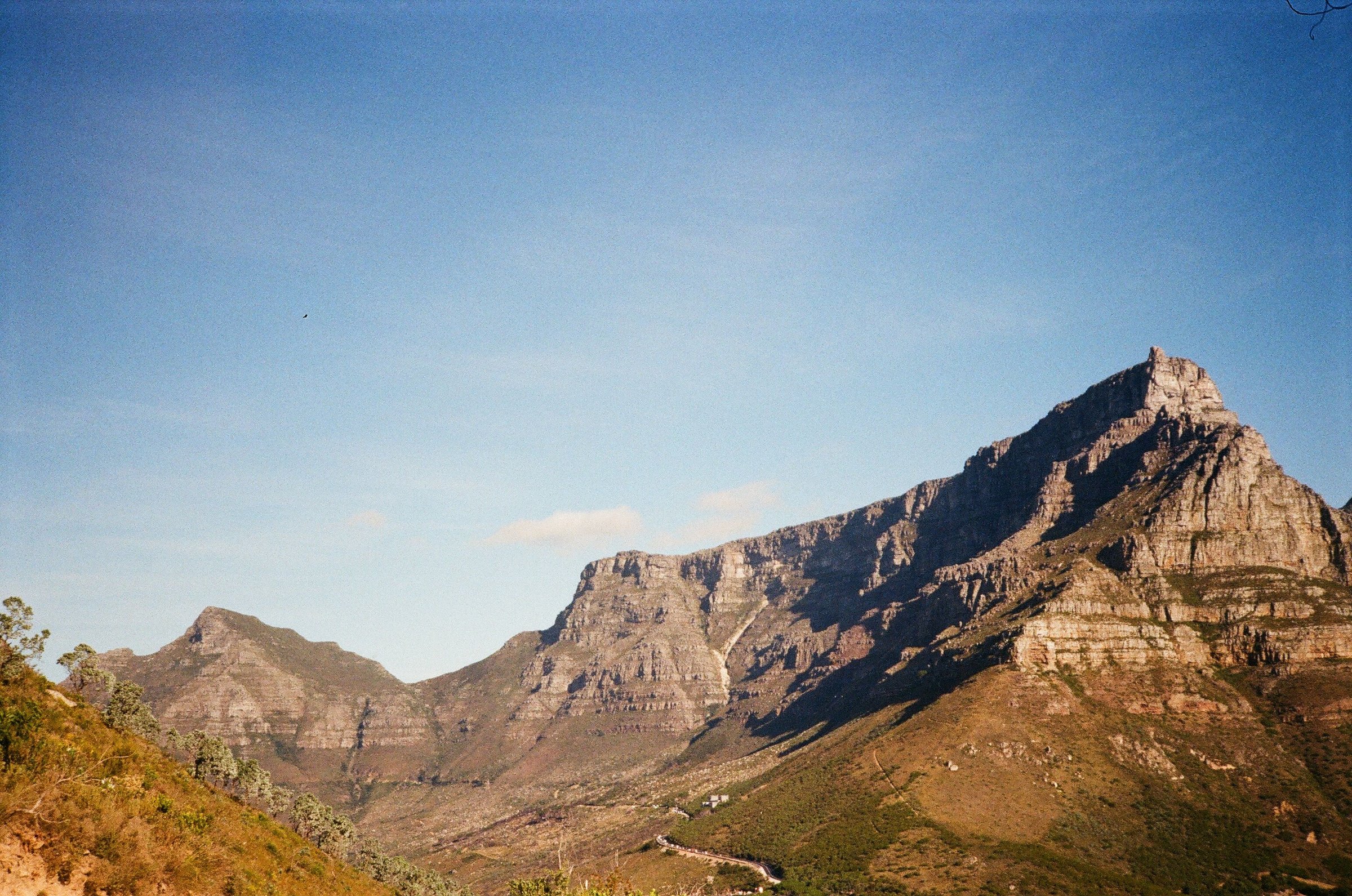
Table Mountain — Guide
A cable car that rotates on the way up
Table Mountain's cable cars turn a full 360 degrees during the ride, engineered specifically so every passenger gets the same panoramic view without needing to move.
Table Mountain's cable cars turn a full 360 degrees during the ride, engineered specifically so every passenger gets the same panoramic view without needing to move.
The current cableway, based on a Swiss design used at Switzerland's Titlis Rotair, replaced an older single-cable system in 1997 with a more stable, higher-capacity version.
Video via YouTube — Table Mountain Cableway ride footage
A rotating floor is only part of what makes this cableway unusual.
The cabin floor rotates a full circle over the course of the journey, giving every passenger the same panoramic views without repositioning.
The 1997 upgrade increased capacity from 25 to 65 passengers per car, alongside the rotation feature.
Modern cars run on two stationary track ropes rather than one, sharply reducing the swaying that plagued earlier cable cars in high wind.
The Table Mountain Aerial Cableway opens on October 4, 1929, funded by a public referendum and built by a German engineering firm.
A Swiss company redesigns the system with rotating cars, double-cable stability, and doubled passenger capacity.
The upper station is secured with massive rock anchors, since Table Mountain's sandstone composition is prone to rockfall.
The cableway remains one of Cape Town's most visited attractions, carrying close to a million passengers annually.
Wind can shut the cableway down with little notice — check live status online before heading up, especially on blustery days.
Back to Table Mountain