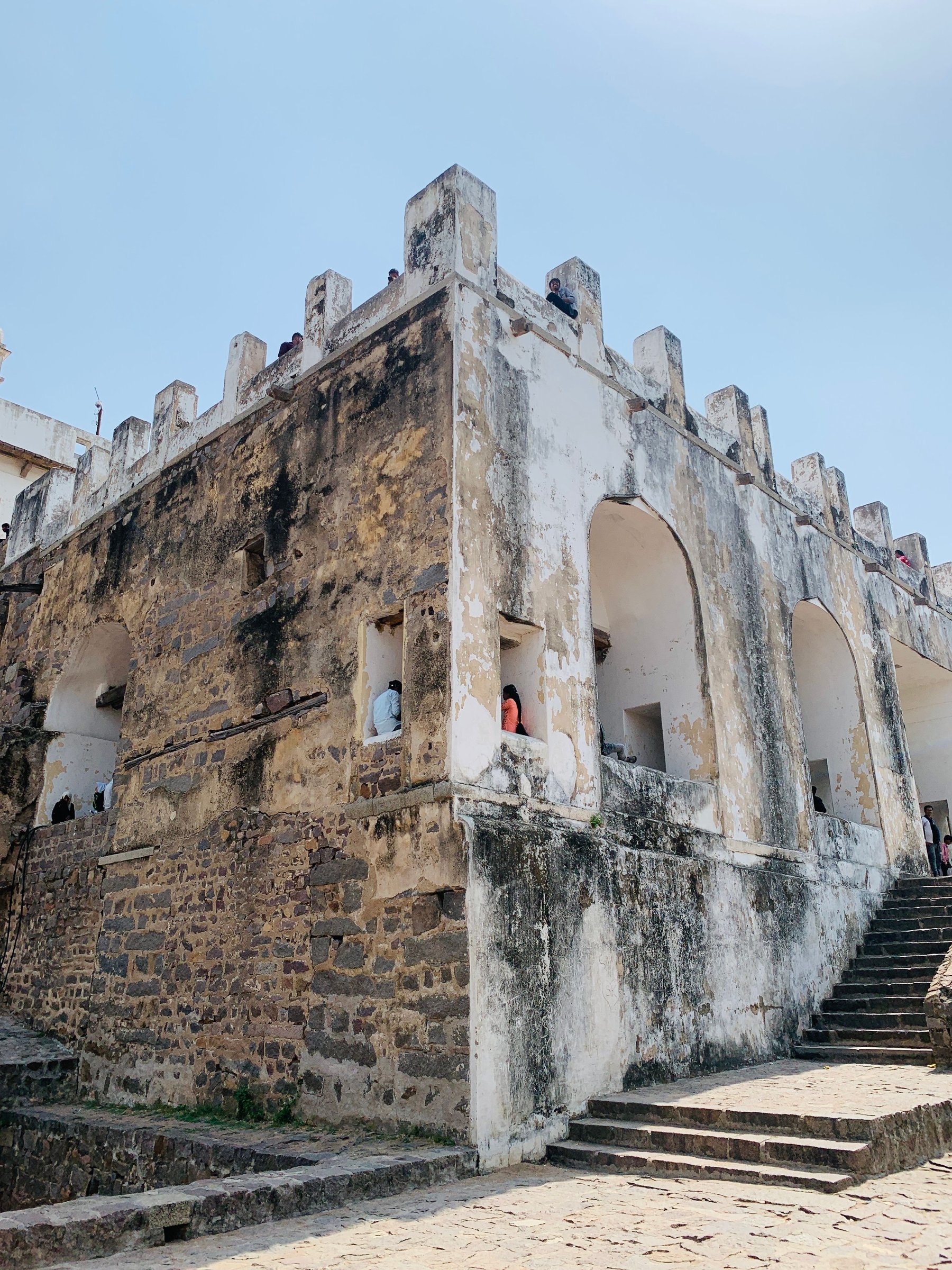
Fasilides founded Gondar in 1636 as his royal capital — but the walled enclosure that bears his name grew for nearly two centuries as successive emperors added their own castles within its walls.
After Emperor Fasilides founded Gondar in 1636, the walled royal enclosure grew over roughly two centuries as his successors — Iyasu I, Yohannes I, Bakaffa, and Empress Mentewab among them — each added their own structures within the same walls.
Video via YouTube — UNESCO/NHK World Heritage documentary
Fasil Ghebbi isn't a single palace — it's a compound built by multiple rulers over generations.
Fasilides' own castle anchors the compound, blending Ethiopian, Portuguese, and Arab architectural influences.
Emperor Iyasu I built his own palace within the same enclosure, continuing the tradition Fasilides began.
Empress Mentewab's castle stands as one of the compound's notable additions, reflecting her significant political role.
Fasilides establishes Gondar as Ethiopia's imperial capital and begins construction of his castle.
Successive emperors add a palace, chancellery, and library within the same walled compound.
A banqueting hall and Empress Mentewab's own castle join the growing complex.
Fasil Ghebbi is formally inscribed as a UNESCO World Heritage Site.
A guide who can walk you through which emperor built what makes the compound's two-century story much clearer.
Back to Fasil Ghebbi